
Achieving Energy Efficiency with Passive House Design: A Guide to Energy-Efficient Home Design
- Scott Fox
- Jan 13
- 4 min read

When it comes to creating a home that is both comfortable and cost-effective, energy efficiency is a top priority. I have seen firsthand how thoughtful design can transform a building into a space that uses minimal energy while maintaining excellent indoor air quality and comfort. One of the most effective approaches to achieving this is through energy-efficient home design, specifically using the principles of passive house design.
In this post, I will walk you through the key elements of energy-efficient home design, explain the benefits and challenges of passive house standards, and offer practical advice on how to implement these strategies in your next project.
Understanding Energy-Efficient Home Design
Energy-efficient home design focuses on reducing the amount of energy a building consumes for heating, cooling, lighting, and other daily functions. This approach not only lowers utility bills but also reduces the environmental impact of the building.
Key strategies include:
High-quality insulation: Proper insulation in walls, roofs, and floors prevents heat loss in winter and heat gain in summer.
Air-tight construction: Minimizing air leaks keeps conditioned air inside and unconditioned air outside.
Efficient windows and doors: Using double or triple-glazed windows with low-emissivity coatings helps maintain indoor temperatures.
Optimized orientation and shading: Positioning the building to maximize natural light and using shading devices to reduce overheating.
Mechanical ventilation with heat recovery: Ensures fresh air supply without wasting energy.
By combining these elements, you can create a home that requires very little energy to maintain comfortable living conditions year-round.

The Role of Passive House Design in Energy Efficiency
One of the most rigorous and effective standards for energy-efficient home design is the passive house design. This approach goes beyond typical building codes to achieve ultra-low energy consumption.
Passive house design focuses on:
Super insulation: Walls, roofs, and floors are insulated to levels far exceeding standard practice.
Exceptional airtightness: The building envelope is sealed to prevent almost all air leakage.
High-performance windows: Triple-pane windows with insulated frames and gas fills.
Thermal bridge-free construction: Avoiding areas where heat can easily escape.
Mechanical ventilation with heat recovery (MVHR): Continuously exchanges indoor air while recovering heat from outgoing air.
The result is a building that can maintain comfortable temperatures with minimal heating or cooling. In many cases, passive houses use up to 90% less energy for heating and cooling compared to conventional buildings.
Implementing passive house design requires careful planning and attention to detail during construction. However, the long-term savings and comfort benefits make it a worthwhile investment.

What are the disadvantages of a Passive House?
While passive house design offers many advantages, it is important to consider some potential drawbacks:
Higher upfront costs: The materials and labor required for super insulation, airtight construction, and specialized windows can increase initial expenses.
Design constraints: Achieving passive house certification may limit certain architectural features or require specific orientations and layouts.
Skilled labor requirement: Builders and contractors need experience with passive house techniques to ensure proper execution.
Ventilation dependency: Since the building is airtight, mechanical ventilation systems must be maintained regularly to ensure indoor air quality.
Longer planning and construction time: The detailed design and quality control processes can extend project timelines.
Despite these challenges, many find that the energy savings, comfort, and environmental benefits outweigh the initial investment and effort.
Practical Steps to Incorporate Energy-Efficient Home Design
If you are considering an energy-efficient home, here are some actionable recommendations to get started:
Work with experienced professionals: Engage architects and builders familiar with passive house principles or energy-efficient design.
Conduct an energy analysis: Use modeling software to predict energy use and optimize design choices.
Prioritize insulation and airtightness: Invest in high-quality materials and ensure meticulous installation.
Select high-performance windows and doors: Choose products certified for energy efficiency.
Plan for mechanical ventilation with heat recovery: This system is essential for maintaining air quality in airtight homes.
Consider renewable energy integration: Solar panels or heat pumps can further reduce your carbon footprint.
Monitor and maintain systems: Regular checks ensure your home continues to perform efficiently.
By following these steps, you can create a home that not only saves energy but also provides a healthier and more comfortable living environment.
Maximizing Your Investment with Sustainable Design
Energy-efficient home design is more than just a trend - it is a smart investment. Buildings constructed with these principles tend to have higher resale values, lower operating costs, and a smaller environmental impact.
At Higher Vision Design, we focus on turning architectural dreams into reality by integrating innovative, sustainable, and functional designs. Whether you are building a custom home or a commercial project, incorporating energy-efficient strategies like passive house design can help you maximize your investment and create spaces that truly inspire.
By choosing energy-efficient design, you are not only reducing your energy bills but also contributing to a more sustainable future. The comfort, durability, and savings you gain will make your project worthwhile for years to come.
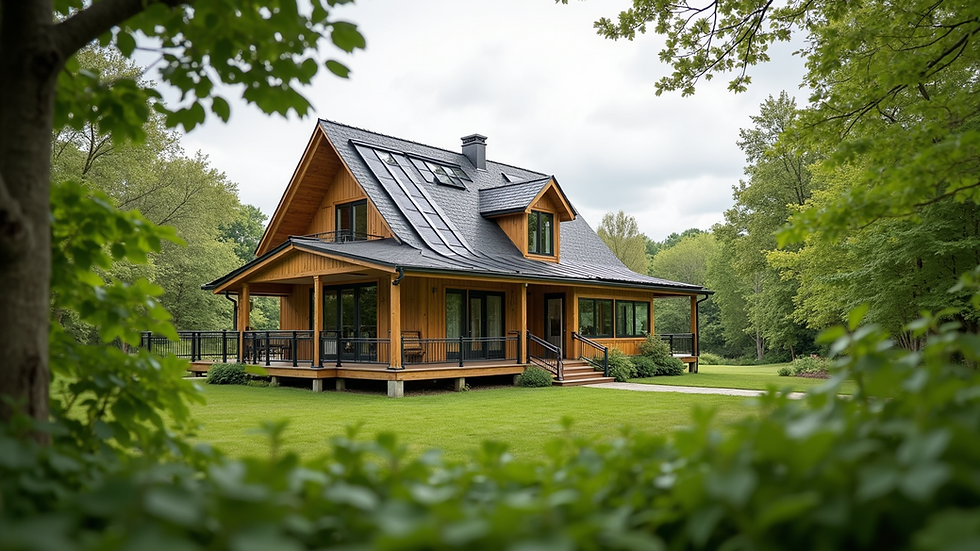
Energy-efficient home design is a powerful way to create buildings that are comfortable, cost-effective, and environmentally responsible. By understanding the principles of passive house design and applying practical strategies, you can achieve a home that meets your needs today and for the future.


Comments