.jpeg)
Top Eco-Friendly Construction Materials for Modern Projects
- Scott Fox
- Dec 25, 2025
- 4 min read

Building with the future in mind means choosing materials that reduce environmental impact without sacrificing quality or style. As someone deeply involved in turning architectural dreams into reality, I’ve seen firsthand how selecting the right materials can transform a project. Whether you’re planning a custom home or a commercial space, understanding the best eco-friendly construction materials is essential. These materials not only help protect the planet but also enhance durability, energy efficiency, and overall value.
Exploring Eco-Friendly Construction Materials
Eco-friendly construction materials are designed to minimize harm to the environment throughout their lifecycle. This includes sourcing, manufacturing, transportation, use, and disposal. When you opt for these materials, you contribute to reducing carbon footprints, conserving natural resources, and promoting healthier indoor environments.
Some of the most popular eco-friendly construction materials include:
Bamboo: A fast-growing grass that regenerates quickly, bamboo is incredibly strong and versatile. It’s used for flooring, cabinetry, and even structural elements.
Recycled Steel: Steel is highly recyclable and using recycled steel reduces the need for mining new ore. It’s ideal for framing and reinforcements.
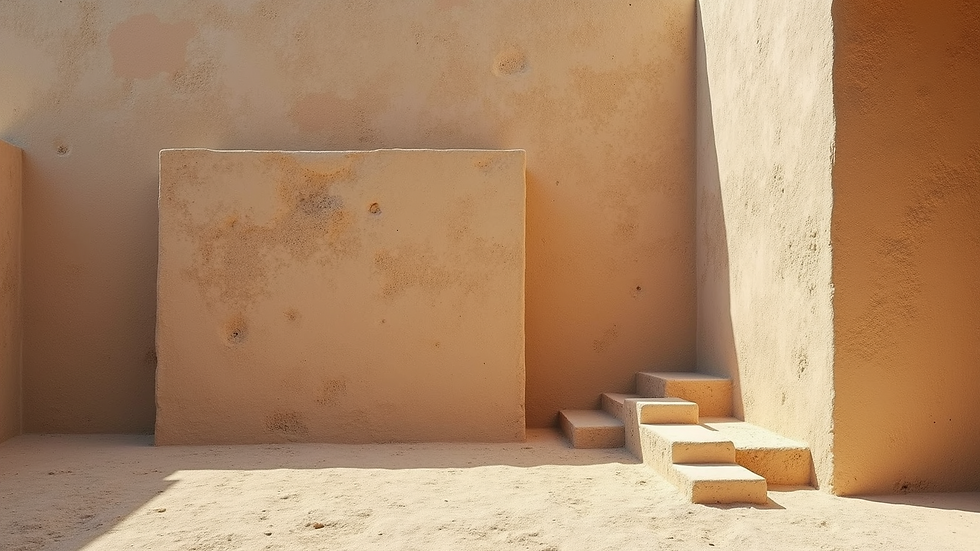
Rammed Earth: This ancient technique uses natural earth compacted into forms to create sturdy walls with excellent thermal mass.
Cork: Harvested from the bark of cork oak trees without harming them, cork is renewable and provides excellent insulation.
Reclaimed Wood: Salvaged wood from old buildings or furniture adds character and reduces demand for new lumber.
Hempcrete: Made from hemp fibers mixed with lime, hempcrete is lightweight, breathable, and carbon-negative.
Each of these materials offers unique benefits. For example, bamboo’s rapid growth means it can be harvested sustainably every few years, unlike traditional hardwoods that take decades to mature. Recycled steel reduces landfill waste and energy consumption during production. Rammed earth walls naturally regulate indoor temperatures, cutting down on heating and cooling costs.

Benefits of Using Eco-Friendly Construction Materials
Choosing eco-friendly construction materials goes beyond environmental responsibility. It also brings practical advantages that can improve your project’s performance and appeal.
Energy Efficiency: Many sustainable materials have excellent insulation properties. Cork and hempcrete, for example, help maintain consistent indoor temperatures, reducing energy bills.
Durability: Materials like recycled steel and bamboo are incredibly strong and long-lasting, which means less maintenance and replacement over time.
Healthier Indoor Air Quality: Natural materials often emit fewer volatile organic compounds (VOCs) compared to synthetic options, promoting better air quality.
Aesthetic Appeal: Reclaimed wood and rammed earth provide unique textures and colors that add warmth and character to any space.
Waste Reduction: Using recycled or reclaimed materials helps divert waste from landfills and reduces the demand for virgin resources.
Incorporating these materials into your design can also increase property value. Buyers and tenants are increasingly looking for sustainable features, making eco-friendly construction a smart investment.
What is the most eco-friendly material to build with?
Determining the single most eco-friendly material depends on your project’s specific needs and location. However, bamboo often stands out due to its rapid renewability and versatility. It grows up to three feet per day in optimal conditions and can be harvested without killing the plant, making it a highly sustainable resource.
Another strong contender is recycled steel. Steel’s recyclability means it can be reused indefinitely without losing strength. Using recycled steel reduces mining impacts and energy consumption significantly compared to producing new steel.
For natural, low-impact options, rammed earth is exceptional. It uses locally sourced soil, requires minimal processing, and provides excellent thermal mass, reducing heating and cooling needs.
Ultimately, the best choice balances environmental impact, structural requirements, budget, and aesthetic goals. Consulting with architects and builders who specialize in sustainable design can help you select the ideal materials for your project.
Practical Tips for Incorporating Sustainable Building Materials
If you’re ready to integrate eco-friendly materials into your project, here are some actionable recommendations:
Assess Local Availability: Choose materials that are sourced nearby to reduce transportation emissions and support local economies.
Prioritize Durability: Select materials that will last long and require minimal maintenance to maximize sustainability.
Combine Materials Thoughtfully: Use a mix of materials to optimize performance. For example, pair bamboo flooring with recycled steel framing.
Consider Life Cycle Impact: Look beyond upfront costs and evaluate the environmental impact over the material’s entire lifespan.
Work with Experienced Professionals: Collaborate with architects and contractors familiar with sustainable building practices to ensure proper installation and performance.
Check Certifications: Look for materials certified by recognized organizations such as FSC (Forest Stewardship Council) for wood or Cradle to Cradle for other products.
Plan for Waste Reduction: Design with modularity and reuse in mind to minimize construction waste.
By following these tips, you can make informed decisions that align with your project’s goals and values.
Future Trends in Sustainable Building Materials
The field of eco-friendly construction materials is evolving rapidly. Innovations continue to emerge, offering new possibilities for greener buildings.
Bio-Based Composites: Materials made from agricultural waste combined with resins are gaining traction for their low environmental impact.
3D-Printed Materials: Advances in 3D printing allow for precise use of materials, reducing waste and enabling complex designs.
Self-Healing Concrete: This concrete contains bacteria that produce limestone to fill cracks, extending the material’s lifespan.
Phase Change Materials (PCMs): Integrated into walls or ceilings, PCMs absorb and release heat to stabilize indoor temperatures.
Smart Insulation: New insulation materials adapt to changing weather conditions, improving energy efficiency.
Staying informed about these trends can help you incorporate cutting-edge solutions that enhance sustainability and functionality.
Maximizing Your Investment with Sustainable Choices
Choosing the right eco-friendly construction materials is an investment in your property’s future. These materials not only reduce environmental impact but also improve comfort, durability, and market appeal.
When you prioritize sustainability, you create spaces that inspire and endure. Whether it’s a custom home or a commercial project, integrating sustainable building materials is a strategic decision that aligns with long-term value and responsibility.
By working with experts who understand both design and sustainability, you can ensure your project meets your vision while contributing positively to the environment.
Selecting eco-friendly construction materials is a powerful way to build smarter and greener. With thoughtful choices and professional guidance, your project can become a model of innovation and sustainability.


Comments